
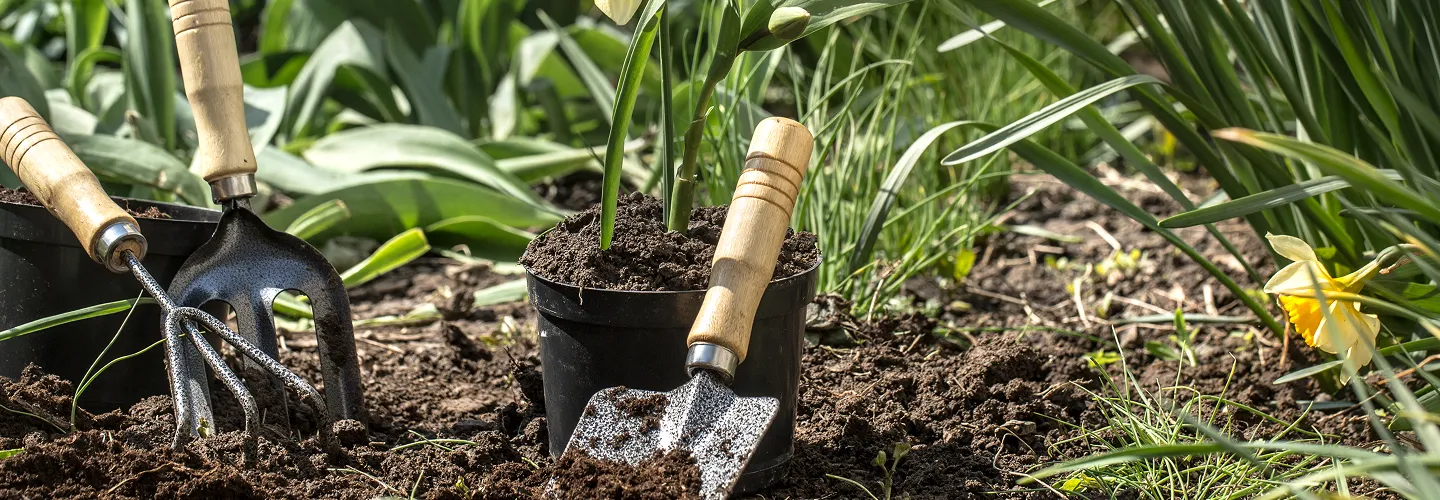
Duluth Dethatching Lawn Services
Choose our dethatching lawn service for a healthier, greener yard—our experienced team removes built-up thatch to promote stronger roots, better water absorption, and a lush, vibrant lawn you’ll love.
Get a Free QuoteOur Duluth Landscaping & Yard Care Services
When to Schedule Dethatching Lawn in Duluth, Georgia – Seasonal Guide
In Duluth, Georgia, the best time to schedule dethatching for your lawn is typically in late spring or early fall, when grass is actively growing and can recover quickly. Duluth’s humid subtropical climate, with its warm summers and mild winters, means that lawns—especially those in neighborhoods like Sugarloaf Country Club or near Bunten Road Park—are often composed of warm-season grasses such as Bermuda or Zoysia. These grasses benefit most from dethatching just after the last frost date, when soil temperatures rise and the risk of drought is low.
Local environmental factors play a significant role in determining the optimal dethatching window. For example, areas with heavy shade from mature oaks or maples, such as those found near Chattapoochee Dog Park, may require a different approach than open, sun-drenched lawns. Soil type also matters; Duluth’s clay-heavy soils can retain moisture, increasing the risk of compaction and thatch buildup. For more information on local climate and environmental considerations, visit the Sudbury municipal resource.
Local Factors to Consider for Dethatching Lawn in Duluth
- Tree density and shade coverage, especially in established neighborhoods
- Soil composition (clay vs. sandy soils)
- Recent precipitation patterns and drought risk
- Frost dates and seasonal temperature shifts
- Terrain slope and drainage characteristics
- Municipal restrictions or local ordinances regarding lawn care
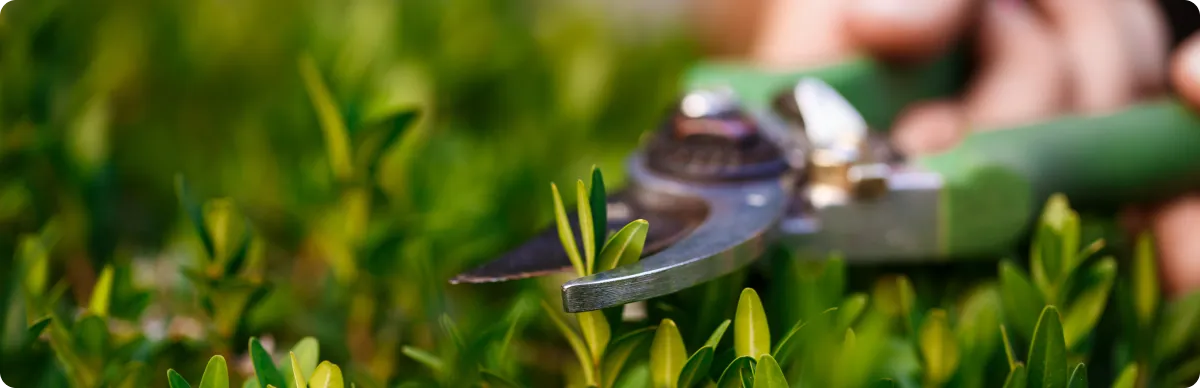
Benefits of Dethatching Lawn in Duluth
Improved Lawn Health
Enhanced Grass Growth
Increased Water Absorption
Reduced Pest and Disease Risk
Boosted Curb Appeal
Professional and Reliable Service
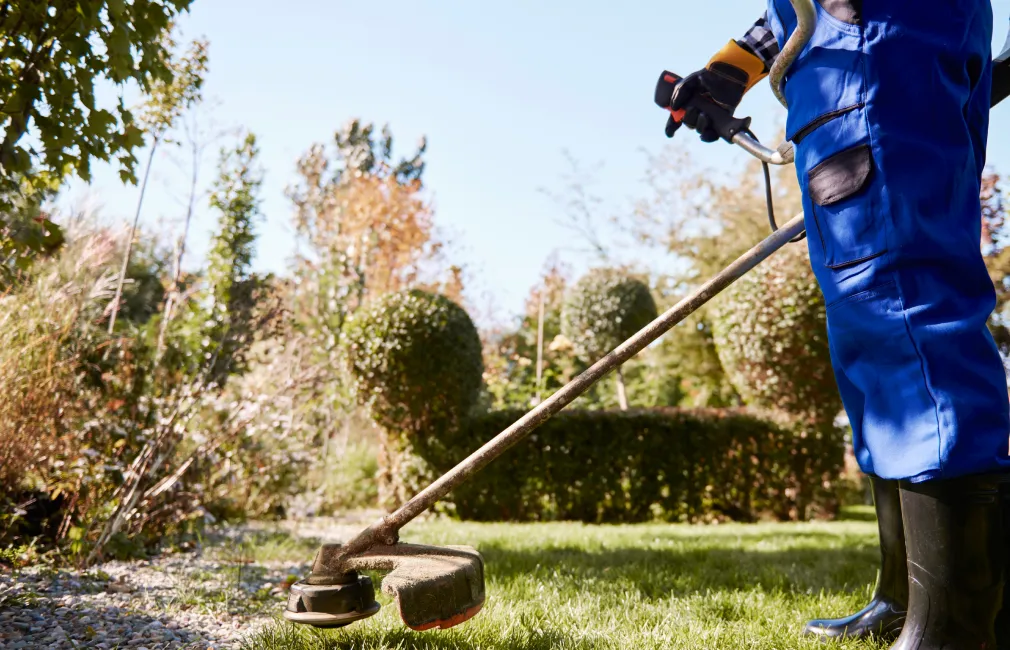
Duluth Dethatching Lawn Types

Cool-Season Grasses
-
Warm-Season Grasses
-
Fescue Lawns
-
Kentucky Bluegrass Lawns
-
Ryegrass Lawns
-
Zoysia Lawns
-
Bermuda Grass Lawns
Our Dethatching Lawn Process
Lawn Evaluation
Thatch Depth Measurement
Dethatching Equipment Setup
Thatch Removal
Cleanup and Disposal
Why Choose Duluth Landscape Services
-
Duluth Homeowners Trust Us
-
Expert Lawn Maintenance
-
Reliable Seasonal Cleanup
-
Competitive Pricing
-
Professional Team
-
Satisfaction Guarantee
-
Personalized Service
Optimal Dethatching Timing for Duluth's Warm-Season Turf
Duluth, Georgia falls within USDA Hardiness Zone 7b, supporting warm-season grasses such as bermudagrass, zoysiagrass, and centipedegrass across most residential properties. Dethatching these turf types should be performed during active growth periods, generally between late April and early June, when soil temperatures consistently exceed 65°F and the turf can recover efficiently. According to UGA Cooperative Extension, dethatching warm-season lawns outside this window — particularly in late summer or fall — risks significant turf stress and slow recovery before dormancy. Property owners should monitor the following timing indicators before scheduling dethatching work:
- Soil temperature at or above 65°F at a 4-inch depth
- Turf actively greening and producing new lateral growth
- Thatch layer measuring more than ½ inch in depth
- No drought stress or recent herbicide application within 30 days
The National Weather Service Peachtree City forecast office provides local temperature and precipitation data useful for confirming appropriate service windows in the Duluth area.
Duluth's Piedmont Red Clay Soils and Thatch Accumulation Patterns
Duluth sits within Georgia's Piedmont physiographic region, where soils are predominantly Cecil and Appling series — dense, red clay-based Ultisols with limited natural drainage and high compaction potential. According to the USDA Web Soil Survey, these soils have low infiltration rates and tend to remain saturated after heavy rainfall events, which are common during Duluth's warm season. Compacted clay soils restrict root development and slow organic matter decomposition, accelerating thatch buildup in bermudagrass and zoysiagrass lawns. Property owners managing turf on these soils should be aware of the following conditions:
- Thatch layers may develop more rapidly on compacted clay than on well-drained soils
- Dethatching should be paired with core aeration to improve water infiltration in clay-heavy areas
- Avoid dethatching when soils are saturated, as equipment can cause rutting and further compaction
- Soil pH in Duluth's Piedmont soils typically ranges from 5.0 to 6.0; lime applications following dethatching may improve turf recovery
Consulting the USDA Web Soil Survey can help property owners identify specific soil series and drainage classifications on their parcels.
Protecting Duluth Stormwater Infrastructure During Dethatching Operations
Dethatching generates significant volumes of loose organic debris that, if left unmanaged near curbs, gutters, or storm drain inlets, can enter Duluth's stormwater conveyance system and degrade local water quality. The Duluth Stormwater Management program administers drainage infrastructure maintenance and water quality protection throughout the city. Under the Clean Water Act and the EPA NPDES Program, municipalities are required to prevent pollutant-laden runoff from entering storm drains. Property owners and lawn care professionals should follow these practices during and after dethatching:
- Collect and contain all dethatched material before it reaches curb lines or storm drain openings
- Do not blow or rake thatch debris into street gutters or drainage ditches
- Bag or pile collected thatch away from impervious surfaces until disposal is arranged
- Avoid dethatching immediately before forecasted rainfall events to prevent debris transport
Duluth Stormwater Management
3167 Main Street, Duluth, GA 30096
Official Website: Duluth Stormwater Management
Thatch Debris Disposal and Duluth Public Works Coordination
Following dethatching, property owners must manage the collected organic material in compliance with local solid waste and yard waste handling procedures. The Duluth Public Works Department oversees municipal infrastructure services including waste-related coordination for city residents. Thatch debris is classified as yard waste and should not be placed in standard household trash containers. Residents should verify current collection schedules and container requirements directly with the city, as pickup days and accepted materials may vary by zone or season. General best practices for thatch disposal in Duluth include:
- Bag thatch in biodegradable or approved yard waste bags where required
- Do not mix thatch with household garbage or recyclables
- Confirm whether curbside yard waste pickup is available for your address and collection day
- Composting thatch on-site is an environmentally sound alternative where space and local code permit
- Large-volume thatch loads from commercial or multi-family properties may require separate hauling arrangements
Duluth Public Works Department
3167 Main Street, Duluth, GA 30096
Official Website: Duluth Public Works Department
How Duluth's Code Compliance Standards Apply to Lawn Maintenance Practices
Duluth's Code Compliance division enforces property maintenance standards that directly affect how residential and commercial lawns are managed, including the condition of turf and the handling of organic debris generated during dethatching. Overgrown or neglected turf, as well as improperly stored yard waste left on a property for extended periods, may constitute a code violation subject to investigation and enforcement action. Property owners should be aware of the following compliance considerations:
- Thatch debris piled on front yards or right-of-way areas for extended periods may trigger a code complaint
- Turf that has developed excessive thatch to the point of visible deterioration may be subject to property maintenance review
- Duluth's Planning & Development department provides guidance on ordinances and regulations governing property upkeep
- Verify current nuisance vegetation and yard waste storage rules with the Code Compliance office before scheduling large-scale dethatching projects
Duluth Code Compliance
3167 Main Street, Duluth, GA 30096
Official Website: Duluth Code Compliance
What Neighborhoods Do We Serve Throughout Duluth, GA?
Dethatching services are provided across Duluth's diverse residential and mixed-use neighborhoods, each presenting distinct turf management conditions based on soil type, drainage, development age, and lot characteristics.
- Sugarloaf Country Club: Large estate lots with mature bermudagrass and zoysiagrass turf maintained to high standards; thatch accumulation is common in dense, well-irrigated turf on clay-based soils.
- Berkeley Lake area: Properties near Berkeley Lake require careful debris containment during dethatching to prevent organic material from reaching the lake's shoreline and stormwater corridors.
- Parsons Run and Abbotts Bridge: Established subdivisions with compacted Piedmont clay soils where thatch buildup is accelerated by limited drainage and heavy warm-season turf growth.
- Downtown Duluth and Historic District: Older residential lots with mixed turf conditions, narrower street access, and proximity to stormwater inlets requiring careful debris management.
- Duluth Highway Corridor Subdivisions: Newer developments with fill soils and variable drainage; thatch patterns may differ from older established neighborhoods due to soil disturbance during construction.
- Peachtree Industrial Boulevard Corridor: Mixed residential and light commercial properties where turf maintenance standards are subject to both city code compliance and HOA requirements in adjacent subdivisions.