
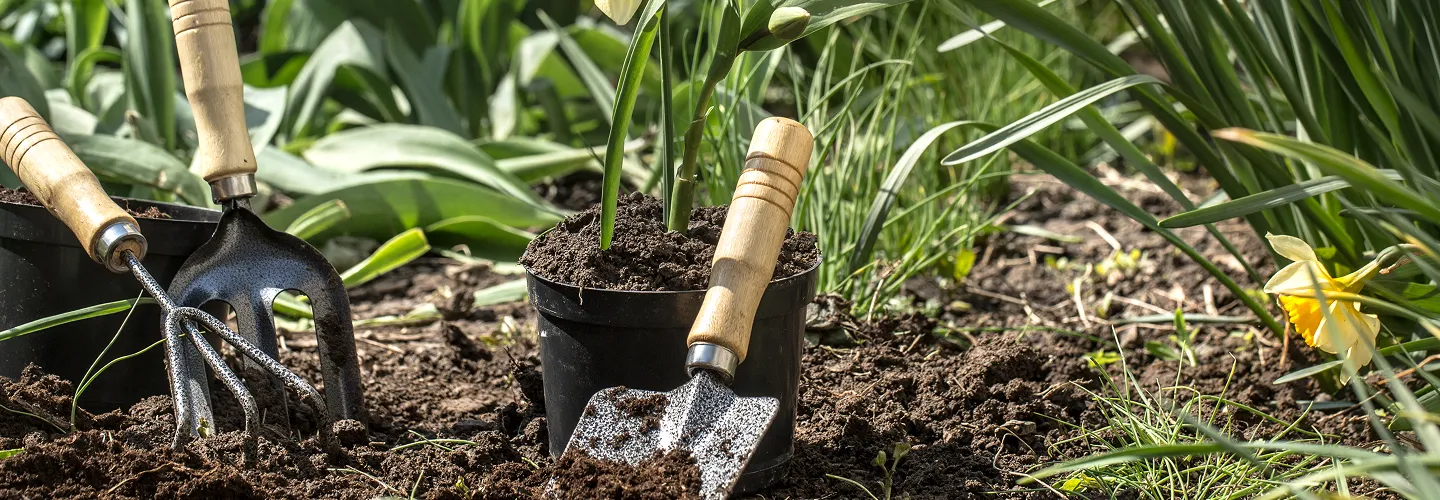
Duluth Flower Bed Maintenance Services
Choose our Flower Bed Maintenance for expert care, healthy blooms, and a beautiful landscape that enhances your home's curb appeal—let us handle the hard work so you can enjoy a thriving, colorful garden year-round.
Get a Free QuoteOur Duluth Landscaping & Yard Care Services
When to Schedule Flower Bed Maintenance in Duluth, Georgia – Seasonal Guide
In Duluth, Georgia, the timing of flower bed maintenance is closely tied to our unique climate and local landscape features. With mild winters and hot, humid summers, the best periods for comprehensive flower bed care are early spring and late fall. Early spring, just after the last frost date, is ideal for cleaning beds, refreshing mulch, and preparing soil for new plantings. Late fall, after the growing season winds down, is perfect for pruning, removing spent annuals, and protecting perennials from winter chill.
Local neighborhoods like Sugarloaf Country Club and Berkeley Lake often experience microclimates due to varying tree density and proximity to water. Factors such as the risk of late spring frosts, summer droughts, and heavy shade from mature oaks and pines can all influence the optimal maintenance schedule. Soil types in Duluth range from clay-heavy in older subdivisions to loamier mixes near the Chattahoochee River, affecting drainage and nutrient needs. For more information on local environmental guidelines, visit the Sudbury municipal site.
Local Factors to Consider for Flower Bed Maintenance in Duluth
- Tree density and shade coverage, especially in neighborhoods like Cardinal Lake
- Soil composition and drainage, which can vary across the city
- Average precipitation and risk of summer droughts
- Frost dates and temperature swings in early spring and late fall
- Municipal restrictions or watering schedules
- Terrain and slope, impacting runoff and erosion control
Benefits of Flower Bed Maintenance in Duluth

Enhanced Curb Appeal
Weed and Pest Prevention
Healthier Plant Growth
Seasonal Color Management
Professional Landscaping Expertise
Time and Effort Savings

Duluth Flower Bed Maintenance Types

Seasonal Flower Planting
-
Weed Control Services
-
Mulching and Soil Conditioning
-
Pruning and Deadheading
-
Fertilization Programs
-
Pest and Disease Management
-
Edging and Bed Redefining
Our Flower Bed Maintenance Process
Site Evaluation
Weed Removal
Soil Preparation
Plant Care
Mulching
Why Choose Duluth Landscape Services

-
Duluth Homeowners Trust Us
-
Expert Lawn Maintenance
-
Reliable Seasonal Cleanup
-
Competitive Pricing
-
Professional Team
-
Satisfaction Guarantee
-
Personalized Service
Duluth's Piedmont Red Clay Soils and Flower Bed Drainage Challenges
Duluth sits within Georgia's Piedmont region, where the predominant soils are Cecil and Appling series — dense, red clay-based Ultisols with naturally low permeability and a tendency toward compaction under foot traffic and equipment pressure. According to the USDA Web Soil Survey, these soils typically have a pH ranging from 5.5 to 6.0, which can limit nutrient availability for many flowering annuals and perennials. Flower beds established in compacted clay without soil amendment often suffer from poor drainage, root suffocation, and standing water after heavy rainfall. Practical steps for Duluth property owners include:
- Incorporating 3–4 inches of compost or aged organic matter before planting
- Raising bed grades 4–6 inches above surrounding grade to improve drainage
- Avoiding clay-heavy backfill when establishing new beds
- Testing soil pH annually and amending with lime if pH falls below 5.8
UGA Cooperative Extension provides soil testing services and amendment guidance tailored to Piedmont Georgia conditions.
Protecting Duluth Stormwater Infrastructure During Bed Maintenance
Flower bed maintenance activities — including fertilizer application, pesticide use, and mulch disturbance — carry meaningful runoff risk in Duluth's developed neighborhoods, where storm drains, detention ponds, and drainage swales are closely integrated with residential and commercial landscapes. The Duluth Stormwater Management program administers drainage infrastructure maintenance and water quality protection across the city. Property owners and maintenance professionals should observe the following precautions:
- Apply granular fertilizers at least 10 feet from storm drain inlets, curb cuts, and drainage swales
- Avoid applying soluble fertilizers or pesticides within 24 hours of forecasted rainfall
- Contain mulch within bed borders to prevent displacement into drainage channels
- Sweep or blow fertilizer granules off hard surfaces immediately after application
The Georgia EPD Watershed Protection Branch establishes water quality standards applicable to stormwater discharges throughout the state, and the Clean Water Act provides the federal framework governing pollutant runoff into navigable waters.
Duluth Stormwater Management
3167 Main Street, Duluth, GA 30096
Official Website: Duluth Stormwater Management
Seasonal Timing for Flower Bed Maintenance in Duluth's Zone 7b Climate
Duluth falls within USDA Plant Hardiness Zone 7b, with average annual minimum temperatures between 5°F and 10°F. The city's long warm season — typically spanning late March through early November — supports multiple planting windows for both cool-season and warm-season flowering plants. The National Weather Service Peachtree City office serves the Duluth area and provides local frost date data relevant to planting decisions. Key seasonal benchmarks for Duluth flower bed maintenance include:
- Spring bed preparation: Begin soil amendment and edging in late February to early March, before soil temperatures exceed 55°F
- Cool-season annuals (pansies, snapdragons): Plant October through early November for winter color; remove by late April
- Warm-season annuals (impatiens, vinca, zinnias): Install after last frost risk, typically mid-April
- Deadheading and mid-season cutback: Perform in late June to encourage rebloom through summer heat
- Fall perennial division: Conduct September through October before first frost
Summer heat and humidity in Duluth frequently exceed conditions tolerable for cool-season species, making timely plant transitions essential to bed health.
Duluth Code Compliance Standards Affecting Flower Bed and Landscape Upkeep
Duluth's Code Compliance division enforces property maintenance standards that directly affect the condition of flower beds, landscape borders, and frontage plantings. Overgrown beds, invasive groundcovers encroaching on sidewalks or rights-of-way, and unmaintained planting areas adjacent to public streets may be subject to code enforcement action. Property owners should be aware of the following compliance considerations:
- Vegetation must not obstruct pedestrian access along sidewalks or impede sightlines at intersections
- Invasive species identified by UGA Extension - Invasive Species, such as English ivy, Chinese privet, and Bradford pear, should be removed from beds and replaced with non-invasive alternatives
- Bed debris, dead plant material, and accumulated organic waste should not be allowed to accumulate in a manner that constitutes a nuisance under city ordinance
- Confirm current frontage maintenance standards with Duluth's Planning & Development department
Duluth Code Compliance
3167 Main Street, Duluth, GA 30096
Official Website: Duluth Code Compliance
Georgia Pesticide Licensing Requirements for Professional Bed Treatment
When flower bed maintenance involves the application of herbicides, insecticides, or fungicides by a hired contractor, Georgia law requires that the applicator hold a valid pesticide license issued by the Georgia Department of Agriculture. The Georgia Pesticide Use and Application Act of 1976 governs commercial pesticide application throughout the state. Property owners in Duluth should verify the following before authorizing any chemical treatment of flower beds:
- The contractor holds a current Georgia commercial pesticide applicator license in the appropriate category (ornamental and turf is Category 24)
- All products used are registered for use on ornamental plantings and applied per label directions
- Application records are maintained and available upon request
- Pre-emergent herbicide applications in beds are timed to soil temperature thresholds — typically when soil reaches 50–55°F in early spring
Licensing verification is available through the Georgia Department of Agriculture - Licensing, Certification and Employee Registration portal.
What Neighborhoods Do We Serve Throughout Duluth, GA?
- Downtown Duluth / Historic District: Older residential lots with established tree canopy and compact planting beds along Main Street corridors; shade tolerance and root competition from mature trees are primary bed management considerations.
- Sugarloaf Country Club: Large-lot residential community with formal landscape standards and HOA expectations; beds often feature structured plantings requiring consistent edging, deadheading, and seasonal color rotation.
- Berkeley Lake Road Corridor: Properties adjacent to Berkeley Lake and associated drainage features require careful fertilizer and pesticide management to protect water quality in this sensitive watershed area.
- Parsons Run and Abbotts Bridge neighborhoods: Established subdivisions with red clay soils and moderate slope; drainage management and soil amendment are recurring needs for flower bed establishment and maintenance.
- Peachtree Industrial Boulevard Frontages: Commercial and mixed-use properties with high-visibility frontage beds subject to code compliance review; consistent seasonal color programs and mulch maintenance are standard expectations.
- Duluth Highway / Pleasant Hill Road Area: Newer mixed-use and residential development with urban fill soils that may require significant amendment before flower bed establishment; drainage patterns vary by lot grading.